God Moves in a Mysterious Way: The Life of Tan Hong Tek

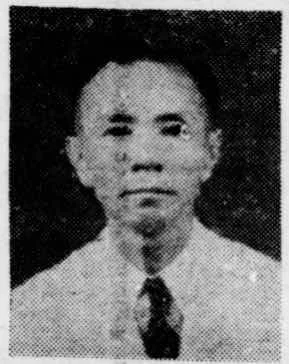
Tan Hong Tek , pic from Indian Daily Mail 4 Sep 1952, pg 16
陳鴻德 · 海澄鼎尾西園
Some men in old Singapore and Malaya built fortunes. Tan Hong Tek built one too — but his story is as much about loss and faith as it is about success.
He did not begin with much. His parents had settled in Taiping, Malaya, and he was born there, but he lost them while still young. Growing up in Kuala Kangsar in poverty, he worked and studied at the same time just to get by. At sixteen he gave up his schooling, moved to Singapore, and took a job as an English clerk for a merchant firm. Those lean years seem to have shaped him — by the time opportunity came, he knew how to work for it.
The Advertising Pioneer
In 1924 he joined the New Citizen Daily (新國民日報) as a liaison officer in its advertising department. Within a few years he struck out on his own, raising capital and building a firm that grew well beyond local Chinese merchants to handle British, American, French and Dutch accounts. He ran the successful Tan Publicity Bureau Ltd, also known as 陳氏廣告社, Tan's Advertising Agency.


The Malayan Salesman
The Straits Times Annual, 1 January 1940, pp.88–89

The Straits Times, 30 January 1942, p.2
Older Singaporeans and Malaysians may still remember Lifeguard Milk, among the brands his agency promoted. He moved easily between worlds: a Hokkien from Haicheng who courted European firms, a man described in the Nanyang Personality Archives as open-handed and generous — the sort who would spend a hundred gold pieces on a banquet without a second thought, and go through fire and water for a friend in need.
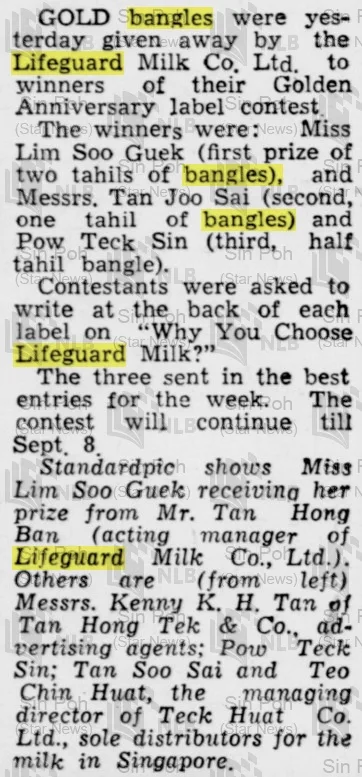
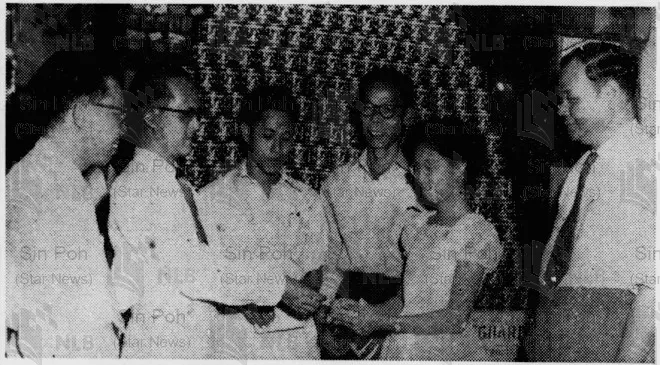

LifeGuard Milk Condensed Milk (many of the older generation grow up with this)
Their office occupied the same building (Medeiros Building in Cecil St) as Tan Hong Tek & Co in the past
Marriage, and a Young Wife Lost
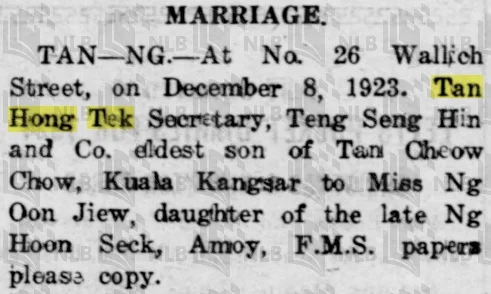
Tan married more than once. His first marriage, in 1923, was to Ng Oon Jiew, daughter of Ng Hoon Seck — recorded as a domestic occurrence in the Malaya Tribune, which noted he was the eldest son of Tan Cheow Chow.
His second wife, Quah Cheng Lian, died on 8 April 1927 at just eighteen years old, and was buried at Bukit Brown (Blk 2A, plot 118), He also prepared a tomb for himself intending to bury himself besides her when he passed away
Death
Singapore Free Press and Mercantile Advertiser, 9 April 1927, Page 10
TAN - At Joo Chiat Place at noon yesterday, the belowed wife of Mr T.H. Tan, Sin Kuo Min Press. Funeral at Bukit Brown Cemetery at 10 am on Sunday
He later married Oh Kim Eng (胡金英), mother of his children Kiat Swee (吉瑞), Kiat Hin (吉興) and Suxin (素心).
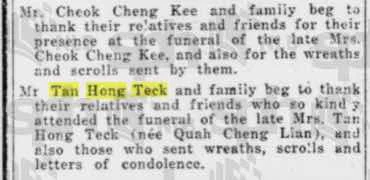
A Stone of Two Worlds
It is Quah Cheng Lian's tombstone that has kept his memory alive. Above her resting place, in English, he had inscribed a line from William Cowper's 1773 hymn:
“God moves in a mysterious way”
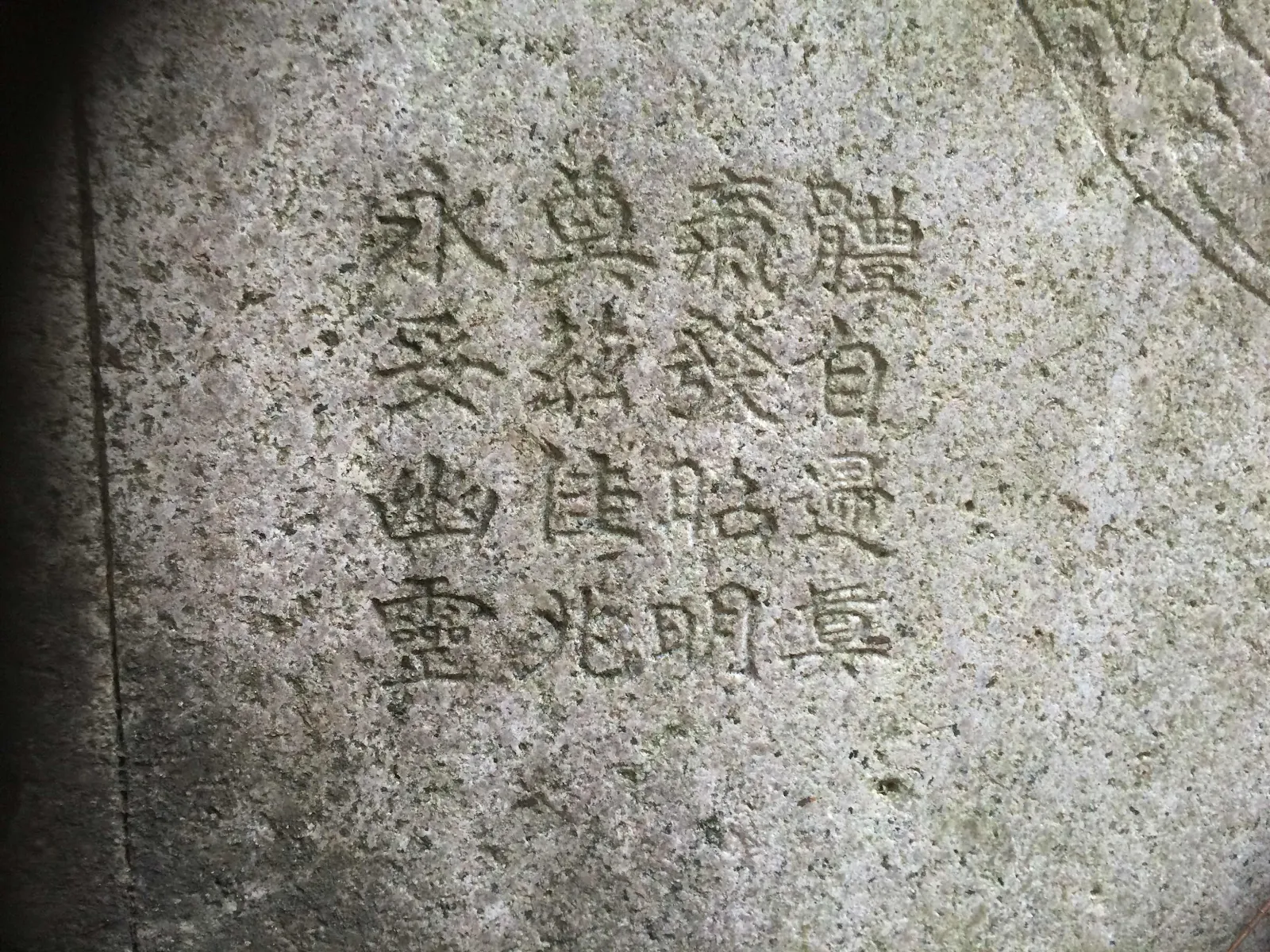
Below it runs a classical Chinese elegiac verse (挽詞):
體自歸奠
氣發昭明
奠茲佳兆
永妥幽靈
The pairing is striking — a line of Christian resignation from an English hymn sitting above a traditional funerary couplet wishing the soul eternal peace. Flanking the grave is a further couplet, 既固既安 / 其長其久 (“settled and secure, lasting and enduring”). Two faiths, two languages, one stone — a quiet portrait of the dual cultural identity so many Nanyang Chinese carried in that era.


奉祀子 陳錦瑞
Deeply mourned by her son Tan Ghim Swee


Ancestry place
家君陳公諱名鴻德之壽域
A Son Sails for Britain
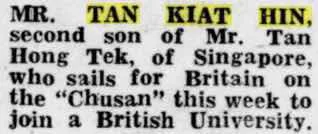
Tan's family rose with him. His second son, Tan Kiat Hin — also known as Kenny K. H. Tan — sailed for Britain at the age of twenty to join a British university, and later returned to join his father's advertising business.

The Vow to Build a Church
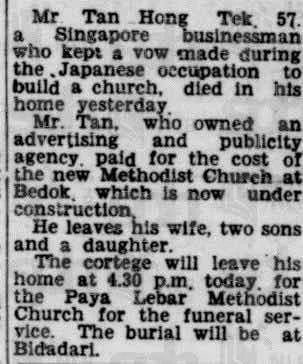
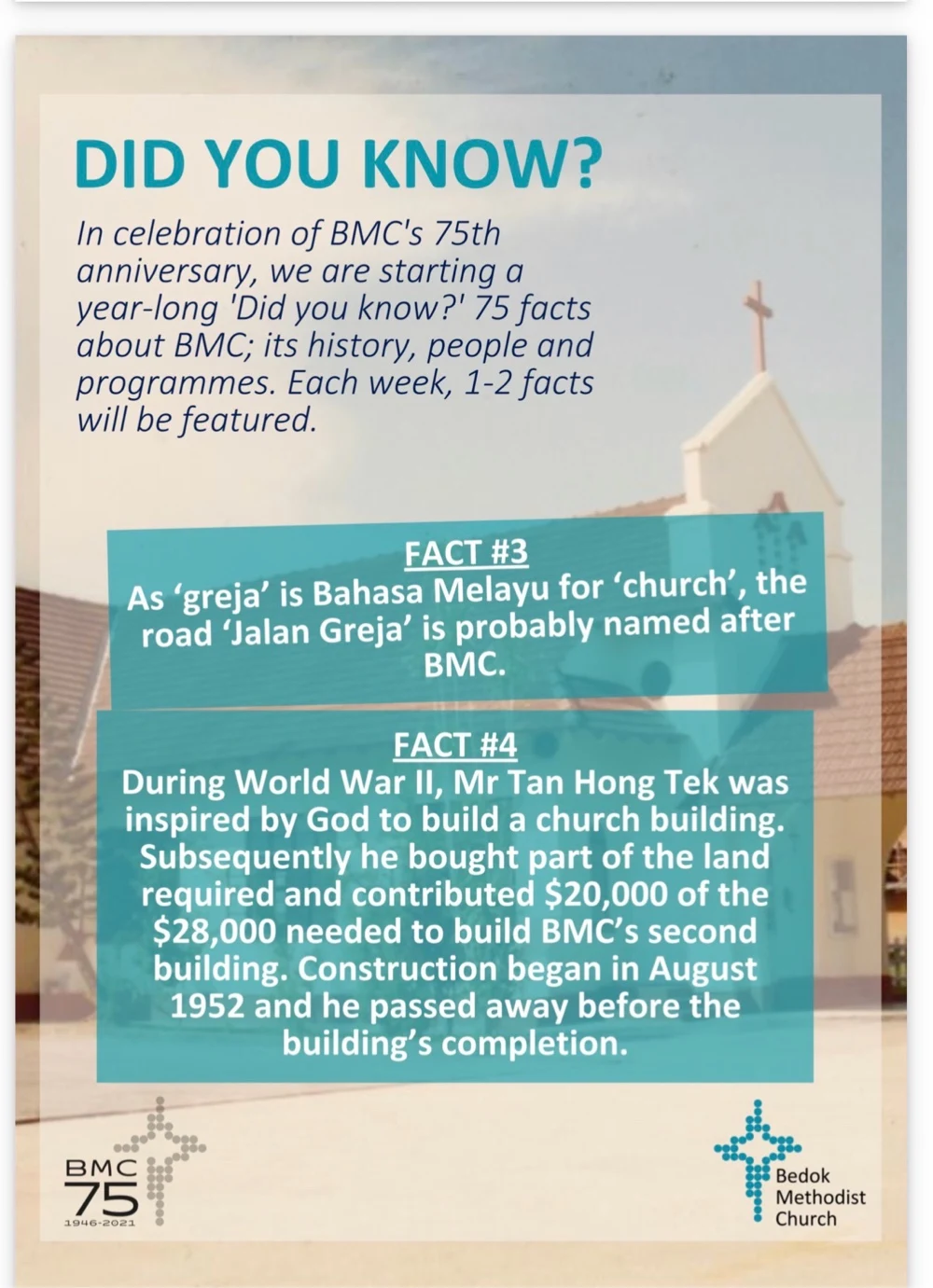
Tan's faith was not only carved into a tombstone — it was built into brick and mortar. During the Japanese Occupation he made a vow to build a church. After the war, he kept it, paying for the cost of the Methodist Church at Bedok.
The promise mattered enough that the Straits Times, reporting his death, headlined it plainly: “Kept vow to build church.”
He had shown a civic streak earlier too. He joined the Kuomintang and contributed funds to relief during the Jinan Incident of 1928, for which the Chinese central government awarded him a certificate of merit.
A Life Completed
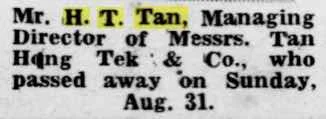
Tan Hong Tek died on Sunday, 31 August 1952 at his residence, 12 Emerald Hill Road. The obituaries followed across the Singapore press over the next days — English and Chinese alike marking the passing of the advertising magnate.
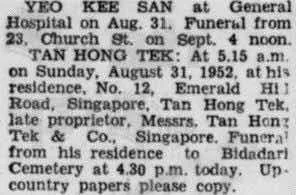
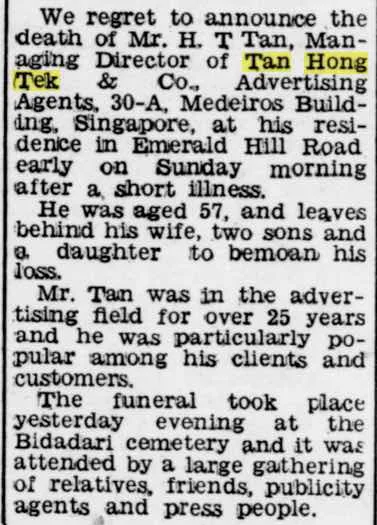
The Chinese press carried the news prominently — 廣告業鉅子陳鴻德逝世 (“Advertising magnate Tan Hong Tek passes away”):
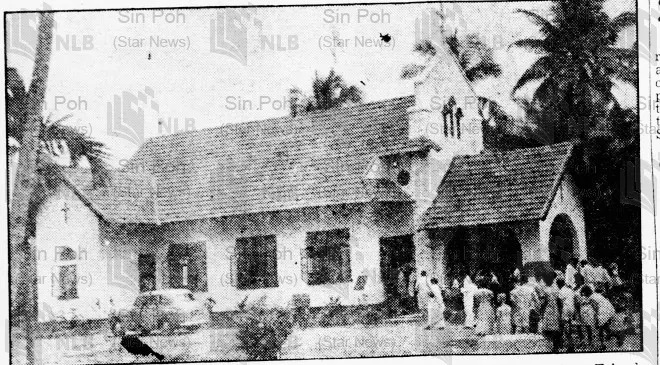
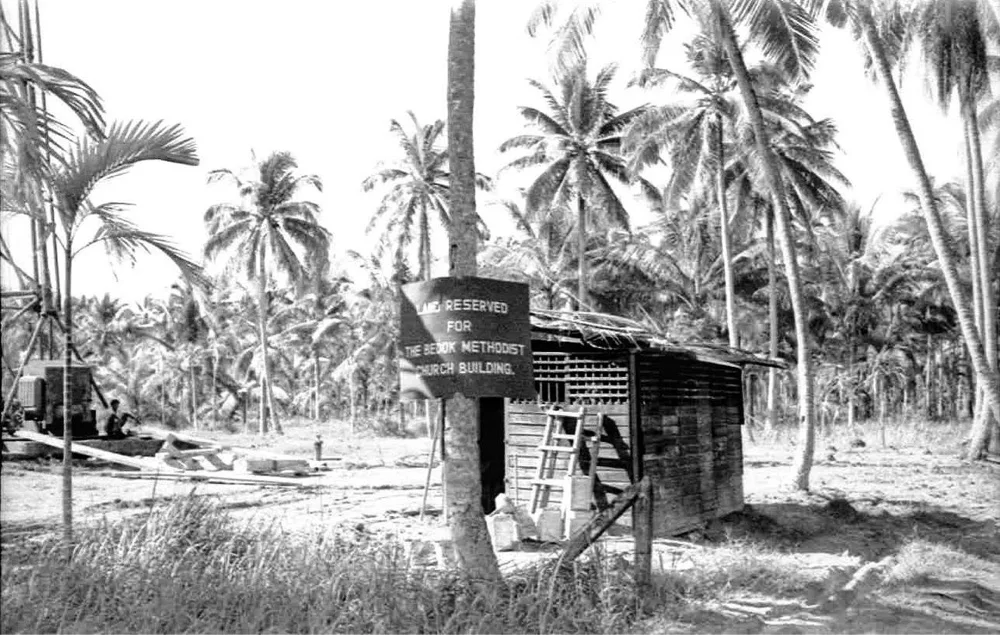
For six years, fourteen Chinese Methodists held Sunday services in one of their homes in Bedok Village , as they have no church in the area. The congregation grew. The need of a church became almost an obsession with them. THey consulted the ministers on the feasbility of building a church. Later a peice of land was acquired in Bedok by the Mission. The youths of the church raise $1000 amon them. Other Methodist churches in Singapore helped and the late Tan Hong Tek also made donations.
Yesterday morning was the first service held in the new church attended by about 300 Bedok residents. Bishop Raymond L Archer, head of the Methodist Mission , dedicated the new Church to the worship of God.

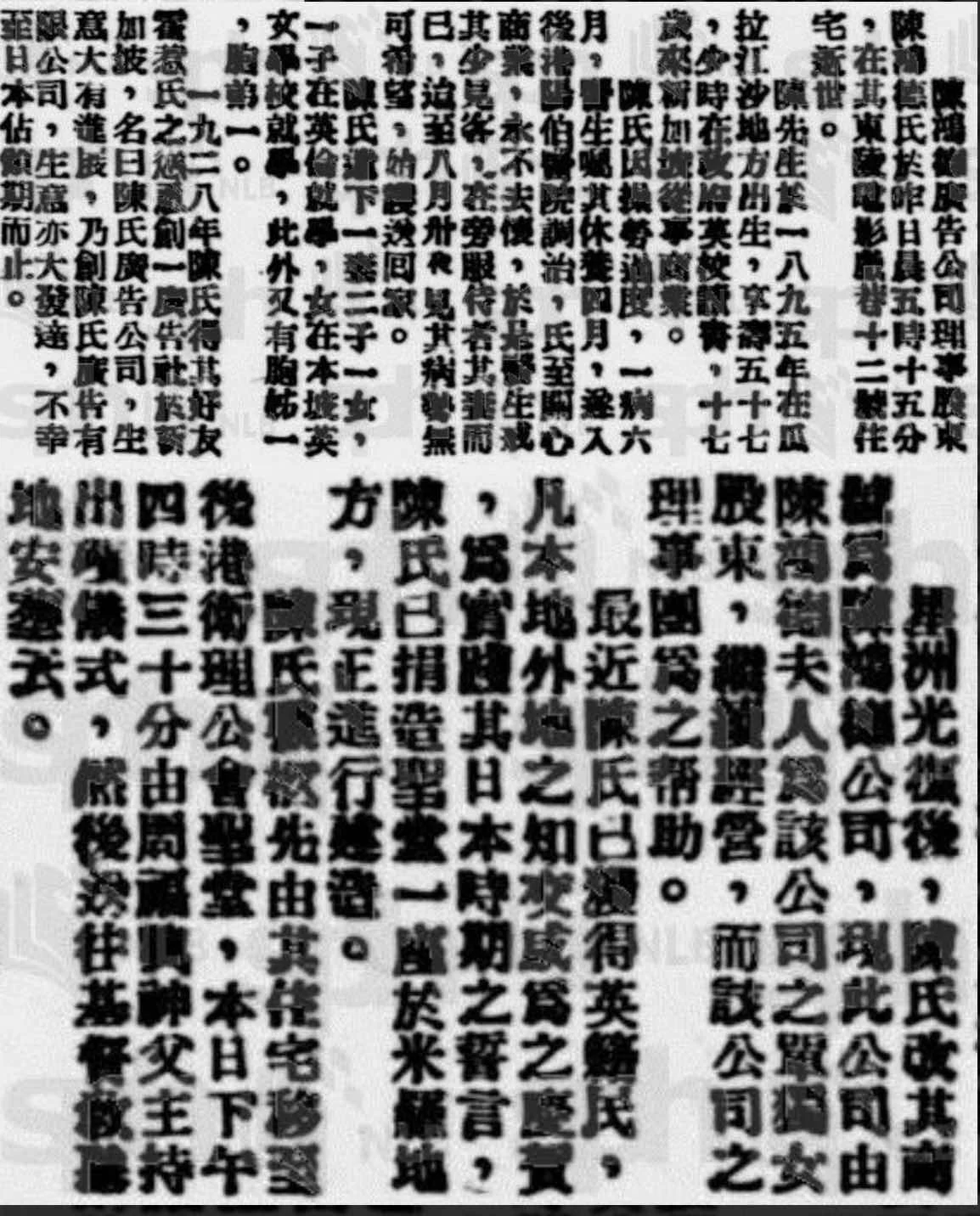
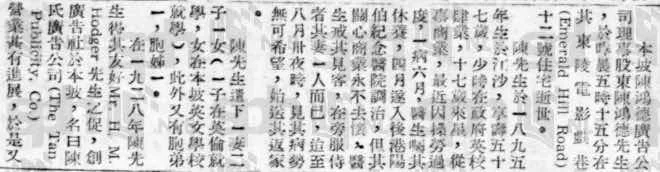

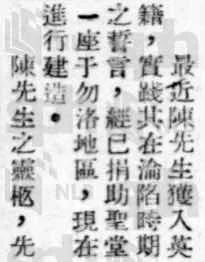
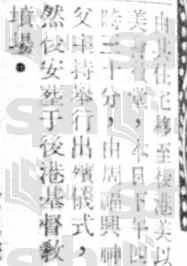
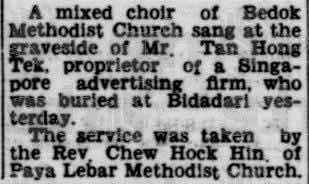
At his funeral, a choir sang at the graveside — a Christian send-off for a man who had spent his life moving between two worlds.
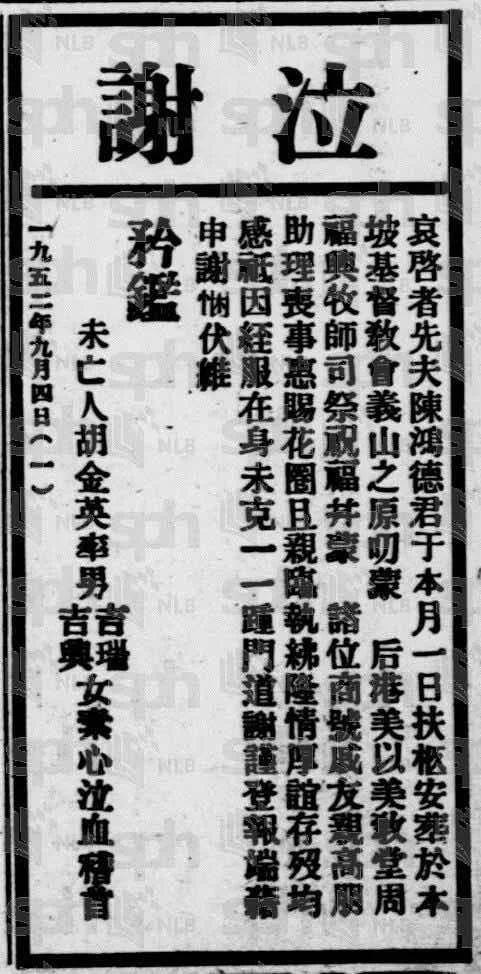
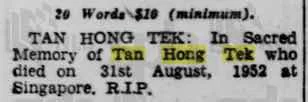
A memorial notice appeared on the fourth anniversary of his passing:
Identifying the Man Behind the Stone
The grave records of Tan Hong Tek with three known wives is interesting.
For Ng Oon Jiew, daughter of Ng Hoon Seck, we don't have much info when he married her on Dec 8, 1923, when he was secretary of Teng Seng Hin and Co.
For the second wife Quah Cheng Lian, listed on her tomb is Tan Ghim Swee, but listed on his tomb (although empty) is three children, Ghim Swee is listed first, followed by Ghim Him and Ghim Keow .
In his obituary when he died, the sons listed was Kiat Swee, Kiat Hin and Soo Sim
From Nanyang Biography of Pioneers, the above two earlier marriages matches his biography and workplace. Kiat Swee was also known to have stayed in 12 Emerald Hill Road in early 1933, giving invitation for Chinese Amateur Orchestra, so he cannot be a teenager. Kiat Hin was 20 when he went to study in 1952, ie born circa 1932.
the husband who built this tomb for his young wife is, with without doubt the Tan Hong Tek who vowed to build a church during the Occupation, kept that vow at Bedok Methodist Church, and was himself finally buried at Bidadari. His empty tomb besides his wife in Bukit Brown stood testimony to this story of a life well lived..

陳鴻德
Tan Hong Tek
Walk through Bukit Brown today, and his wife's stone still says it plainly, in Cowper's words: God moves in a mysterious way.
Previous Link
https://tombs.bukitbrown.org/2019/07/mrs-tan-hong-tek-nee-quah-cheng-lian.html
Sources: Tombstone inscription, Bukit Brown (Blk 2A 118, behind tomb of Wee Ann Lock); Malaya Tribune, 8 Dec 1923; Straits Times, 11 Apr 1927, 21 Apr 1939, 30 Jan 1942, 1 & 2 Sep 1952, 31 Aug 1956; Straits Times Annual, 1 Jan 1940; Indian Daily Mail, 26 Feb, 2 & 4 Sep 1952; 南洋商報 (Nanyang Siang Pau), 1 & 4 Sep 1952; 星洲日報 (Sin Chew Jit Poh), 1 Sep 1952; Singapore Standard, 24 Aug 1956; 南洋名人集傳 (Biographies of Nanyang Personalities). Research by the Goh Brothers.