Neo Jin Quee (梁壬癸)
Neo Jin Quee (courtesy name Yizong 字一宗, posthumous title Zhenrong 谥号振荣) was a pioneering 19th-century Nan’an Hokkien immigrant and community leader. In 1836 he founded Singapore’s Fengshan Temple (now Hong San See on Mohamed Sultan Road), enshrining Guangze Zunwang and creating a vital spiritual and social centre for Nan’an clansmen that eventually led to the formation of the Singapore Lam Ann Association. He passed away around 1843.
Genealogy & Burial Location
Family Details:
Father: Neo Zishu (梁自树公)
Principal Spouse: Madam E Boon Neo (余文娘, posthumous title 勤慎)
Secondary Spouse: Madam E (余氏)
Sons: Neo Chang Ann (贊安), Neo Chang Hock (贊福, posthumous title 敦睦)
Daughters: Neo Hiang Neo (香娘), Neo Kian Neo (建娘)
Daughter-in-law (wife of Neo Chang Hock): Mrs Neo Chang Hock née Chee Im Neo (徐音娘, née Yuniang / 育娘)
Grandsons (sons of Neo Chang Hock): Neo Guan Chye (源財), Neo Guan Beng (源明)
Granddaughter (daughter of Neo Chang Hock): Neo Choo Neo (珠娘)
Great-grandsons (孝孫, descendants via grandsons): Neo Hong Seng (鴻成), Neo Hong Choo (鴻珠), Neo Hong Kim (鴻金), Neo Soon Keng (順慶), Neo Soon Kim (順金), Neo Soon Kiat (順吉), Neo Soon How (順孝), Neo Soon Kian (順建)
Great-granddaughters (女孫): Tsui Eng (翠英), Gin Eng (銀英), Lian Eng (連英), Kim Eng (金英), Rui Eng (瑞英), Rui Neo (瑞娘), Ching Neo (清娘)
Great-great-grandson (曾孫): Chun Su (椿樹)
The primary line continues through second son Neo Chang Hock and his wife Chee Im Neo. Their sons Neo Guan Chye and Neo Guan Beng erected or are listed on multiple family tombs. The great-grandsons and great-granddaughters are collectively inscribed on Chee Im Neo’s tomb, indicating extended family involvement. Neo Guan Chye's line includes Hong Seng, Hong Choo, Hong Kim; Neo Guan Beng's includes Soon Keng, Soon Kim, Soon Kiat, Soon How, Soon Kian. Further descendants of Neo Guan Beng (died 1933) include sons Soon Keng, Soon Kim, Soon Kiat, Soon How, Soon Kiang; daughter Cheng Neo; grandsons Hock Swee, Hock Leng, Hock Heng, George Seng; granddaughters Swee Neo, Ah Loei, Molly, Janey, Choo Neo.
Burial Location:
Cemetery: Bukit Brown Cemetery (relocated cluster)
Location: Block 2, Division C, Plots 82–85 (four tombs: Neo Jin Quee, principal wife E Boon Neo, son Neo Chang Hock, daughter-in-law Chee Im Neo; exhumed and reinterred together on 26 April 1927)
Secondary Wife's Burial: Originally in Kopi Sua; status post-relocation unclear.
Tomb Inscriptions & Observations


Erected by sons Neo Chang Ann, Neo Chang Hock; daughters Neo Hiang Neo, Neo Kian Neo.


Erected by grandsons Neo Guan Chye, Neo Guan Beng; granddaughter Neo Choo Neo.
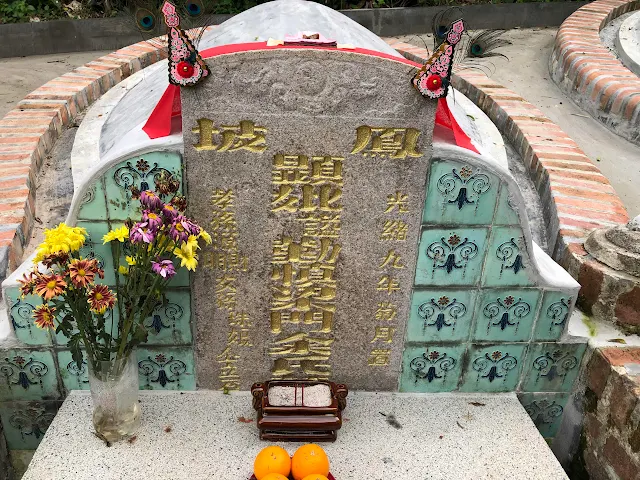


Erected by sons Neo Chang Ann, Neo Chang Hock; daughter Neo Hiang Neo. (Separate from main cluster, originally in Kopi Sua.)

Erected by sons Neo Guan Chye, Neo Guan Beng; daughter Neng Neo (能娘).
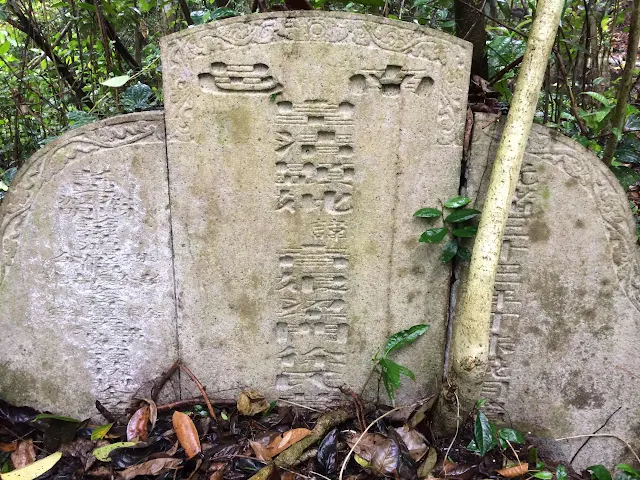
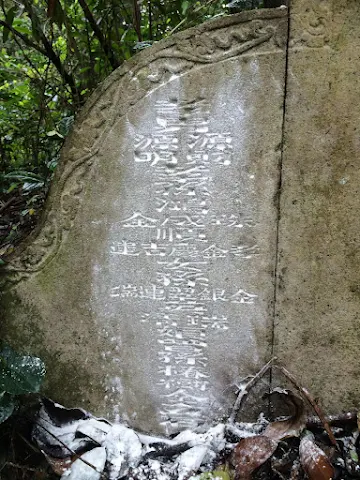

Erected by grandsons Hong Seng, Hong Choo, Hong Kim; granddaughters Tsui Eng, Kim Eng, Yan Eng, Mian Eng, Lian Eng. (Separate tomb; fengshui couplet from Lai Bu Yi.)


Sons: Soon Keng, Soon Kim, Soon Kiat, Soon How, Soon Kiang; Daughter: Cheng Neo; Grandsons: Hock Swee, Hock Leng, Hock Heng, George Seng; Granddaughters: Swee Neo, Ah Loei, Molly, Janey, Choo Neo.


Historical Records & Transcripts
Early 20th century
"Grandson Neo Guan Chye recorded as donor of $14."


The Singapore Free Press and Mercantile Advertiser, 7 April 1904, Page 5
"Horse carriage belonging to Neo Guan Chye (clerk, Guthrie & Co.) involved in collision with two Chinese women passengers; Javanese syce fined."

The Straits Times, 4 October 1935, Page 13
"Estate matter involving great-grandson Neo Hong Choo as executor for the late Neo Guan Chye, regarding access to public documents."

🔍 Feature: Multi-Generational Cluster Burial
The four relocated tombs form a preserved family cluster spanning three generations: founder Neo Jin Quee, his principal wife, second son, and son's wife, relocated from an earlier burial ground
References:
1. Tomb inscriptions and 2018 commemorative stele, Bukit Brown Cemetery and Hong San See Temple
2. Bukit Brown Cemetery burial registers (relocation 26 April 1927)
3. Newspaper archives: The Singapore Free Press and Mercantile Advertiser (7 April 1904), The Straits Times (4 October 1935)
4. Hong San See Temple donation records and Singapore Lam Ann Association
5. Bukit Brown research by Raymond Goh and team (2014 discoveries)